| Quercus robur, Q. petraea |
 |
 |
|
Oak Burl |
|
 |
|
|
 |
| Trade Names: |
|
Oak Burl |
|
|
 |
|
|
| Similiar woods: |
|
Elm Burl |
|
|
 |
|
|
| Origin: |
|
Entire Europe. |
|
|
 |
|
|
| Range: |
|
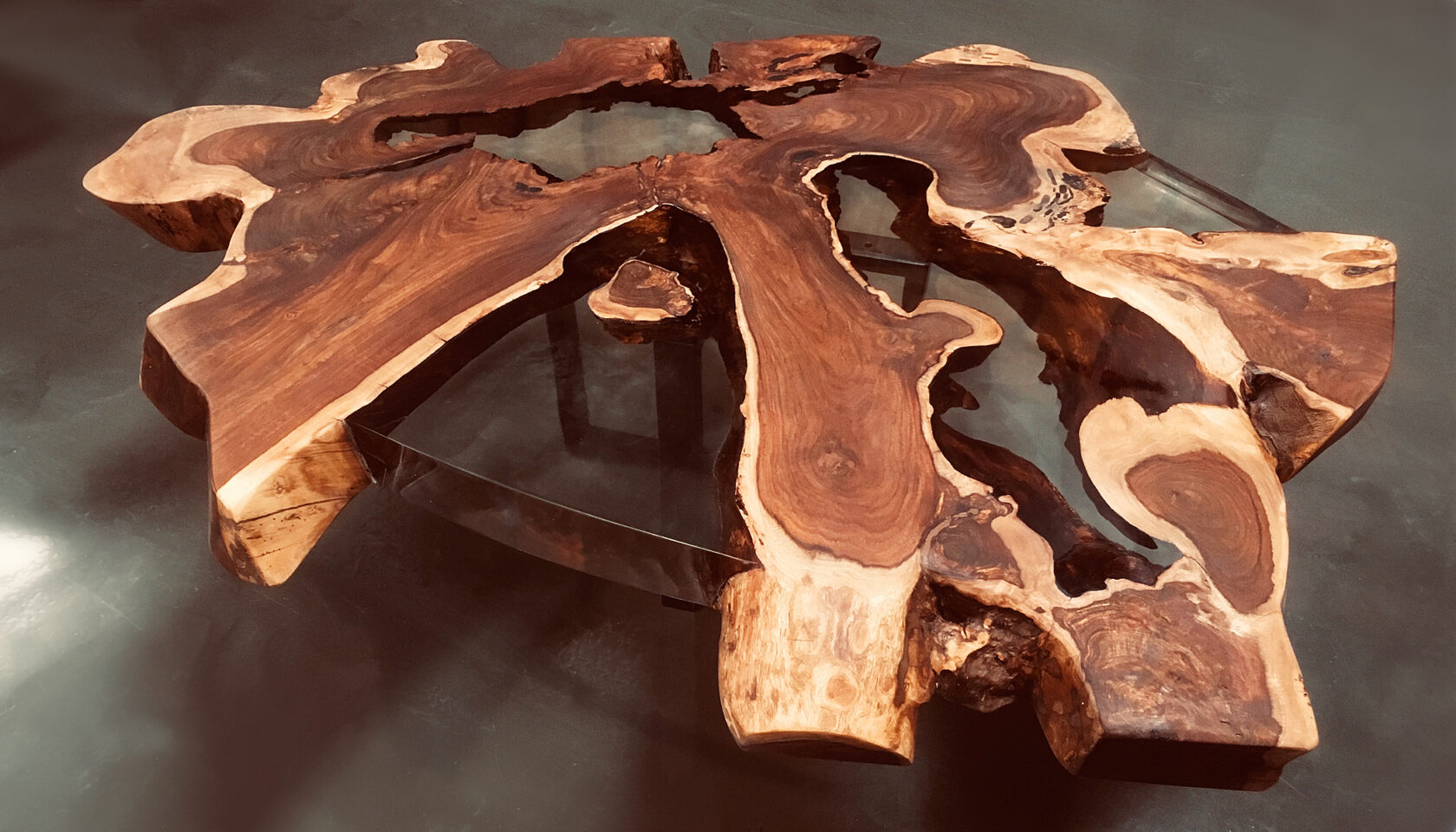
The burl growth of the 0ak is to be found mostly in the western and southwestern regions of Europe (no knowledge of Oak Burl in Eastern Europe to date). Oak Burl generally develops in isolated Oaks having sufficient space for this growth. |
|
|
 |
|
|
| Uses: |
|
High quality interior architectural work. Unlike the more frequent Knotty Oak which is also used for mass production furniture. |
|
|
 |
|
|
| Properties: |
|
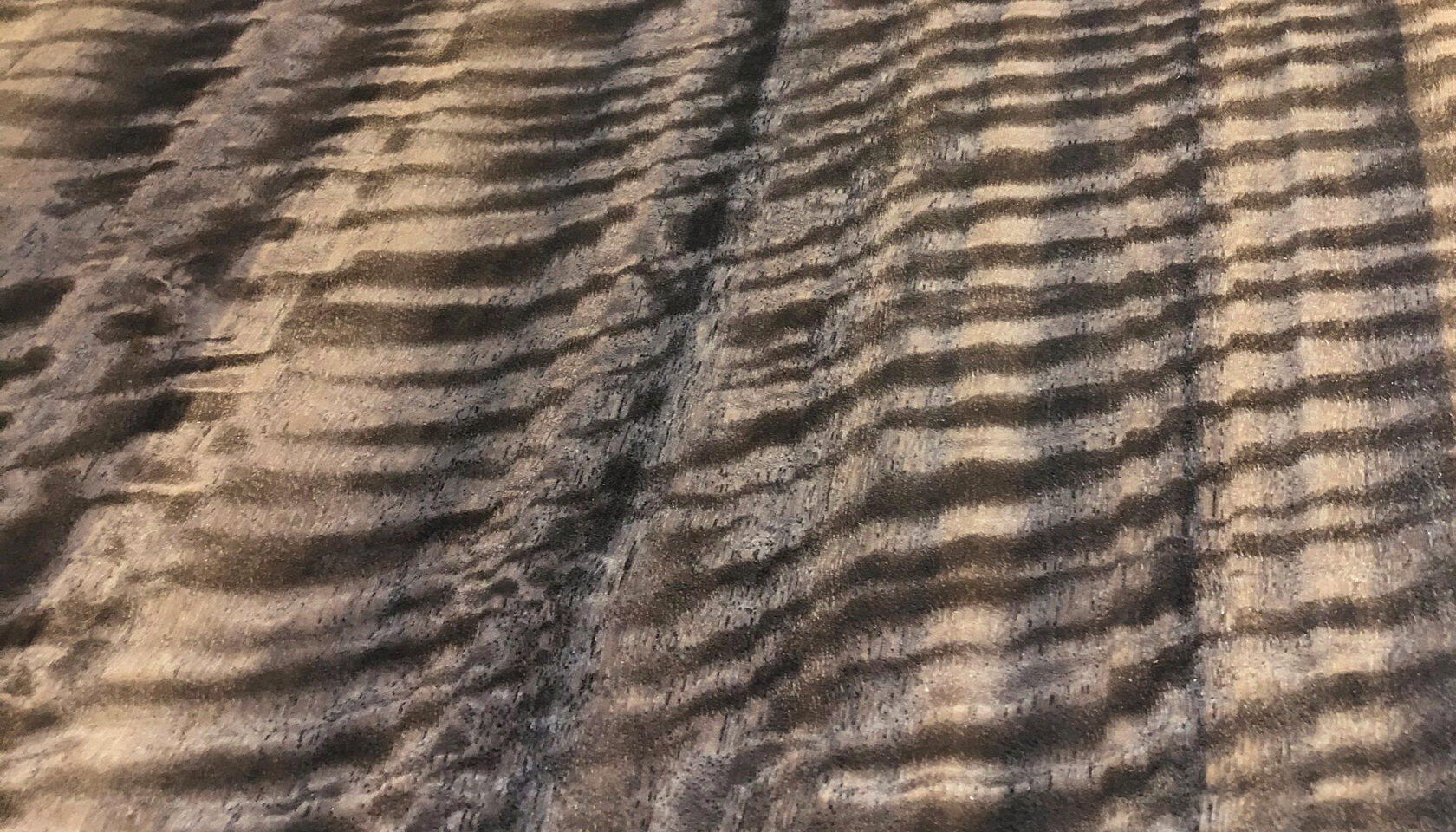
Main quality criteria for Oak Burl is the ingrown bark which is found almost on every tree. The quality of the veneer is all the better the less ingrown bark there is because it is less expensive to process then. Logs without ingrown bark are extremely rare. |
|
|
 |
|
|
| Machining: |
|
Despite its hardness Oak can be worked well with all tools. Planed surfaces are very smooth. Good results can be achieved when molding and turning. |
|
|
 |
|
|
| Seasoning: |
|
Drying of Oak is an extremely slow process. There is a strong tendency for Oak towards surface checking and inner case-hardening. Only the greatest of care can ensure satisfactory drying. |
|
|
 |
|
|
| Finishing: |
|
The surface treatment of Oak with all finishes is good and causes no problems. The use of stains should be restricted to the American Oak. |
|
|
 |
|
|
| Jointing: |
|
Glue joints are strong and durable. Screw and nail joints hold firmly but can cause discoloration in the wood through the effects of moisture. |
|
|
 |
|
|
|
|